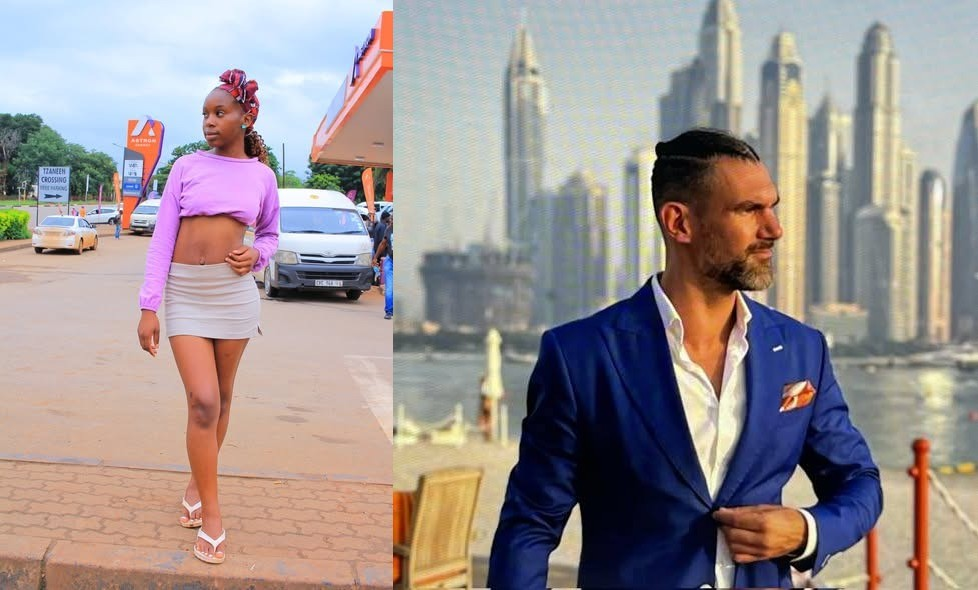
A recently circulated video that has been widely shared across social media platforms has ignited intense public debate and outrage, particularly among users in Limpopo and surrounding provinces. The footage, which many online users claim is linked to the controversial African Casting brand, reportedly involves a young woman believed to be from the Tzaneen area. As the clip continues to circulate, emotions have been running high, with critics accusing those behind the content of exploiting vulnerable individuals from rural communities.
The video began gaining traction earlier this week, spreading rapidly through WhatsApp groups, Facebook pages, and other online platforms. While details surrounding the circumstances of the recording remain unclear, the reaction from the public has been swift and overwhelmingly critical. Many viewers say the situation highlights a growing concern about how young women, particularly those from rural or economically disadvantaged backgrounds, may be drawn into situations they do not fully understand.
African Casting, a name that has previously been associated with controversy and public scrutiny, quickly began trending online once again. Social media users have accused the operation of expanding its reach beyond urban centres and targeting women from remote or rural areas, often referred to as emakhaya. According to critics, these women are allegedly approached with promises of opportunities, exposure, or financial reward, only to later find themselves at the centre of viral content they did not anticipate.
Community members and social commentators have expressed deep concern about the emotional and psychological impact such exposure can have on individuals and their families. The woman allegedly involved in the Tzaneen video has become the subject of widespread discussion, speculation, and judgement online, despite having no public platform to share her side of the story. Many have pointed out that once content goes viral, it becomes nearly impossible to control, leaving those involved vulnerable to long-term consequences.

“This has gone too far,” wrote one social media user. “Now they are going into emakhaya and targeting our sisters who may not know what they are getting into.” Similar sentiments have been echoed by dozens of others, with some calling for greater accountability from both content creators and the platforms that host and distribute such material.
The controversy has also reignited broader discussions about consent, digital exploitation, and the responsibility of online platforms. Critics argue that content of this nature continues to circulate freely despite repeated public outcry, raising questions about moderation policies and the effectiveness of existing safeguards meant to protect individuals from harm.
As African Casting trends once again, calls are growing louder for authorities, regulatory bodies, and social media companies to take action. Some activists are urging for investigations into how individuals are recruited, whether proper consent is obtained, and what protections exist for those who later regret their involvement.
At this stage, many questions remain unanswered. Who is responsible for protecting vulnerable individuals from exploitation? How does such content continue to spread unchecked? And what measures can be put in place to prevent similar incidents in the future?
As the video continues to circulate online, public anger shows no signs of slowing down. The situation has become a stark reminder of the lasting impact viral content can have, particularly on those who may not have the resources or support to defend themselves in the digital space.
THE VIDEO IS TOO HOT, TOO MUCH TLOFS, WE CANT POST IT HERE WE WILL GET IN TROUBLE, BUT YOU CAN WATCH IT HERE FREELY. CLICK HERE TO WATCH
CLICK THE FOLLOWING LINK TO WATCH VIDEO HERE: