
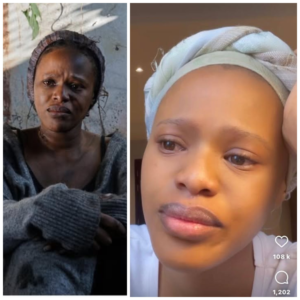
Natasha Thahane spotted begging
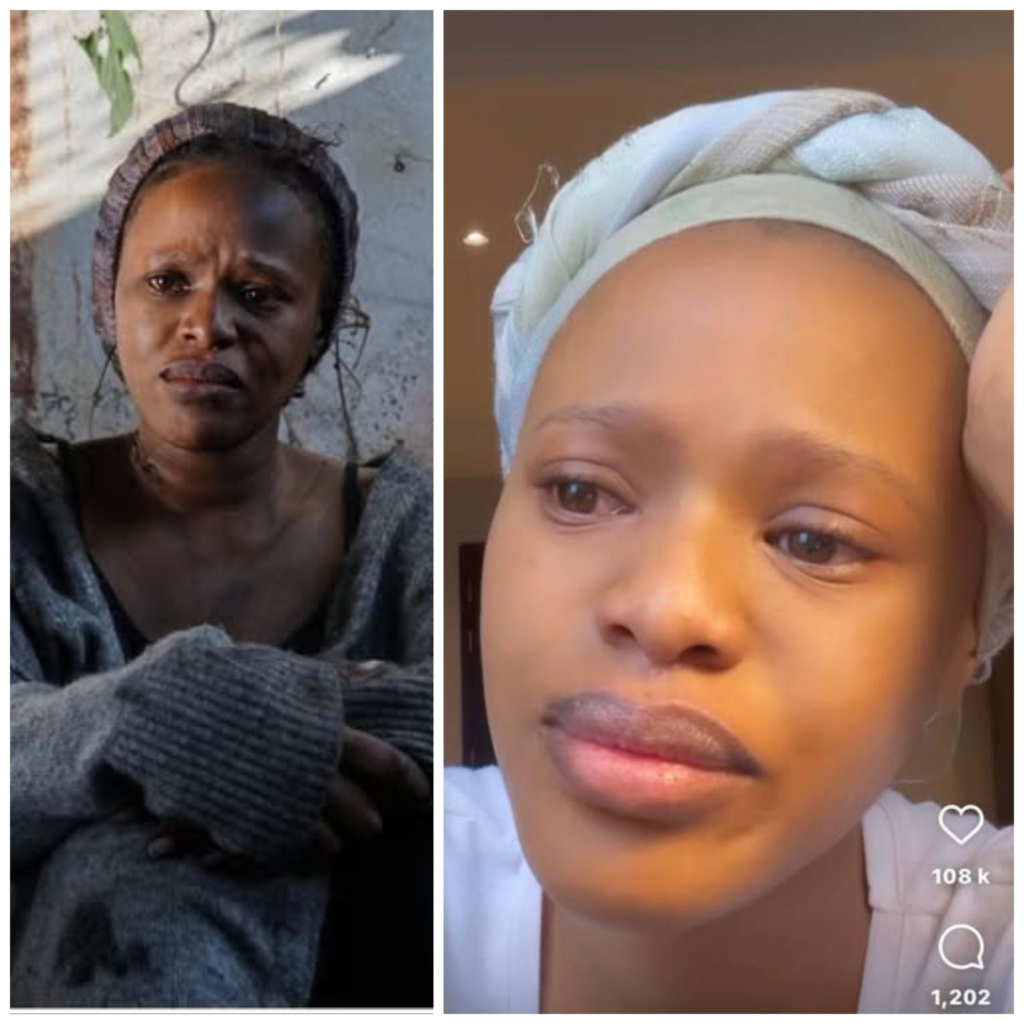
In recent weeks, a shocking and unsettling rumor has been circulating across South African social media platforms, suggesting that one of the nation’s most celebrated young actresses, Natasha Thahane,
She has allegedly fallen from grace and is now living on the streets in poverty, a claim that has sent waves of disbelief, concern, and confusion among her millions of fans who have followed her glittering career with admiration and pride, and while no official confirmation has been made, the sheer intensity with which this rumor has spread has made it impossible to ignore, sparking heated debates about fame, fortune, and the fragility of celebrity life in South Africa.
Natasha, who rose to prominence through her breakout role as Enhle on Skeem Saam and later solidified her status with acclaimed performances in The Queen and Netflix’s international hit Blood & Water, has long been admired not only for her acting talent but also for her glamorous lifestyle, her polished public image, and her association with one of South Africa’s most prominent families — being the granddaughter of the late Archbishop Desmond Tutu’s daughter, Nomaswazi Tutu — which made her a symbol of both heritage and modern success.
For years, she has been perceived as someone living a life many young women aspire to, often sharing photos of luxury trips, high-end fashion, and moments of joy with friends and family on Instagram, where she boasts millions of followers.
This is precisely why the rumor that she is now destitute and allegedly living on the streets has shocked so many, with some people claiming they have spotted her looking disheveled, “without the glow of stardom” she once radiated, and others insisting the entire story is nothing more than malicious gossip designed to bring her down.
As is often the case in the digital age, speculation has filled the gap where facts are lacking, with conspiracy theories emerging that link the rumor to past controversies surrounding Natasha, particularly the backlash she once faced over the R1 million bursary scandal, when the Department of Sports, Arts and Culture was accused of funding her studies abroad in the United States while countless other young South Africans were struggling to afford tuition — an incident that, at the time, severely damaged her reputation and made her the target of intense criticism online, with some labeling her “privileged” and “out of touch.”
For critics, the new rumor of her downfall feels like some kind of “karma” or poetic justice, while her defenders argue that dragging her name through the mud without proof is cruel, unnecessary, and potentially damaging to her mental health and career.
On Twitter (X), TikTok, and gossip blogs, the debate has raged on, with hashtags about Natasha’s alleged struggles trending and comment sections filling up with mixed reactions — some posts expressing deep sympathy and prayers for her well-being, while others resort to mockery, sharing memes that cruelly depict her “before and after” as if poverty is entertainment.
Adding to the noise, certain blogs have recycled old photos of Natasha in casual or unglamorous settings, claiming they are “evidence” of her supposed decline, even though these images clearly predate the current rumors, proving once again how easily misinformation can be manipulated in the age of viral content.
Meanwhile, Natasha herself has remained completely silent on the matter, neither confirming nor denying the claims, and this silence has only fueled further speculation — with some arguing that if the rumors were false, she would have quickly debunked them, while others believe she is choosing to rise above the negativity by not engaging with baseless gossip.
For fans who still admire her, this entire episode is painful to witness because Natasha has always been seen as a hardworking, talented young woman who brought fresh energy to South African television screens and represented the promise of a new generation of stars who could compete globally.
The idea that she could now be destitute, possibly sleeping on pavements or depending on handouts, is almost unthinkable, yet the persistence of the rumor highlights how quickly public opinion can shift and how even the most glamorous public figures can suddenly be portrayed as tragic cautionary tales.
Beyond Natasha herself, the situation has sparked wider conversations about the entertainment industry in South Africa, where many actors and actresses — despite their fame — are underpaid and often struggle financially once the spotlight fades or contracts end, with countless stories of veteran stars dying broke or relying on charity to survive.
For some observers, Natasha’s rumor, whether true or not, has become symbolic of these larger systemic issues, forcing people to question whether the industry does enough to protect its talent from financial ruin. Yet, amid all the noise, one undeniable truth emerges
: Natasha Thahane remains one of the most talked-about public figures in the country, and the fact that her name alone can dominate headlines with unverified claims shows just how influential and polarizing she has become.
Whether this story proves to be a heartbreaking reality or just another chapter of exaggerated social media gossip, it has reminded South Africans of the thin line between admiration and ridicule, between stardom and struggle, and between truth and rumor in a digital world where reputations can be made or destroyed in an instant.